


When businesses build their first chatbot, they often focus on use cases — the functions and capabilities — while overlooking the importance of the conversation that guides user interaction.
Chatbot conversation design is essential because it determines whether your customers will engage with your chatbot. A poorly written or unengaging conversation can cause users to drop off. So how can you design conversations that are engaging and help users complete actions easily?
What is conversation design?
A conversation is an interaction between two or more people where ideas and information are exchanged. Chatbot conversation design is the process of creating interactions between users and chatbots that mimic human communication.
It goes beyond what the chatbot says — it includes how and when it says it. The goal is to make chatbot interactions more natural and engaging.
Why is conversation design important?
Customers care less about how advanced your technology is and more about how well it solves their problem. Well-designed conversations guide users to complete their goals effectively.
Adding personality and a bit of humor makes interactions more enjoyable and increases the chances of repeat usage.
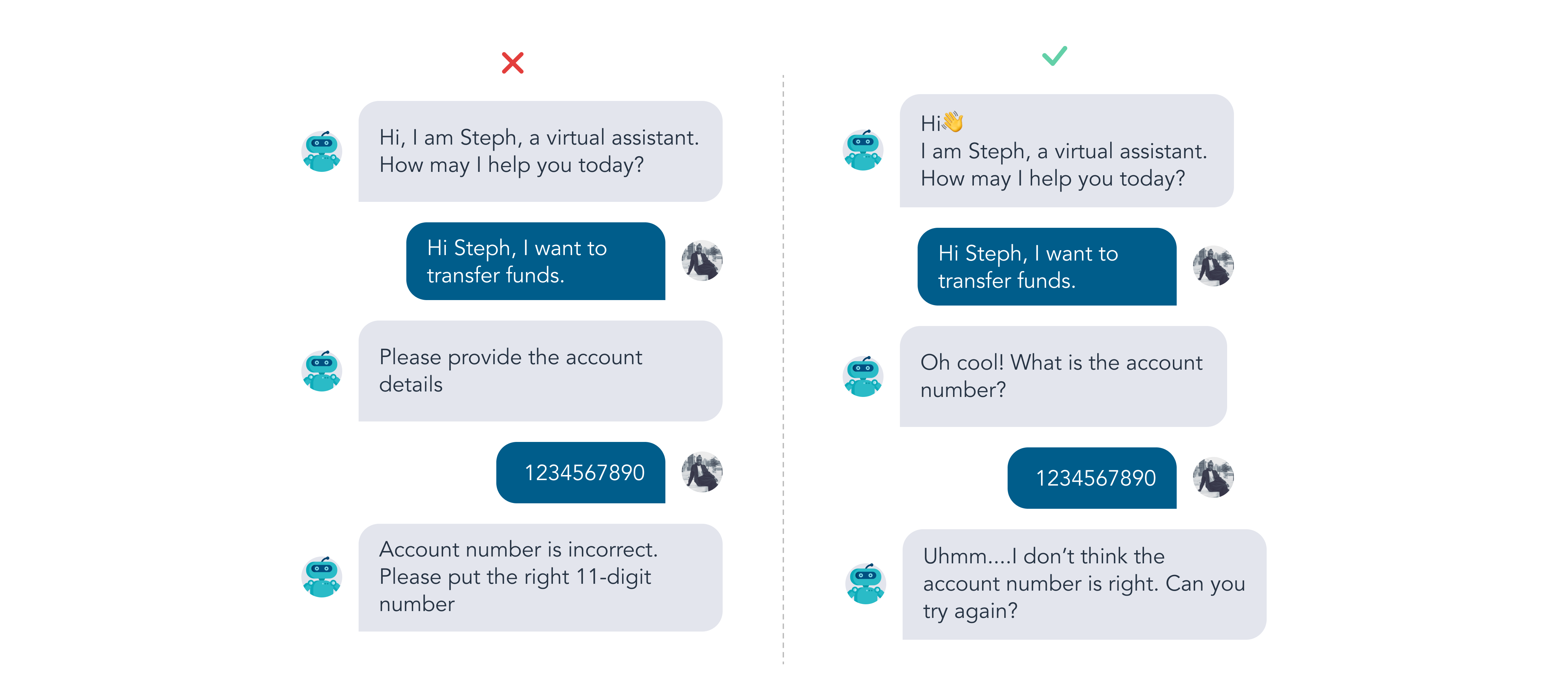
How to design a chatbot conversation
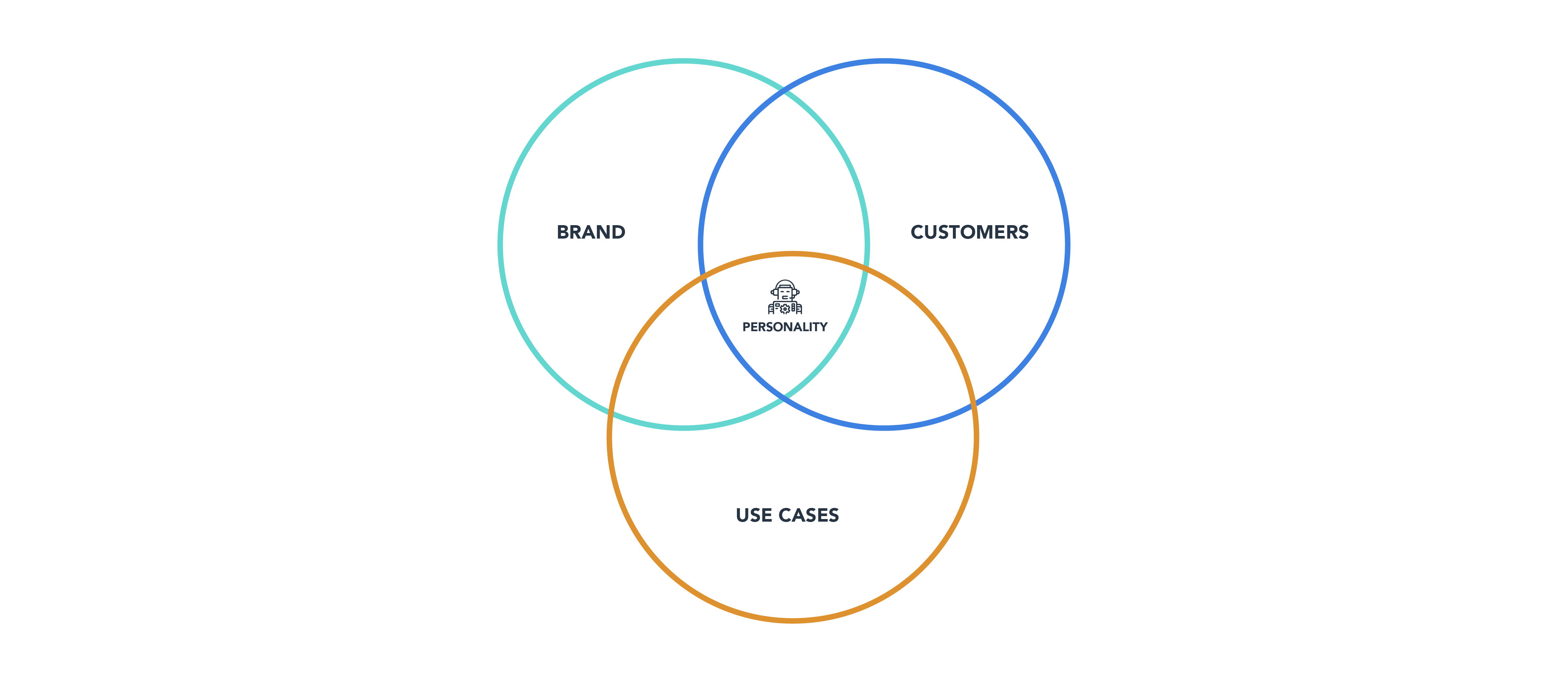
To design an effective chatbot conversation, you need to understand your users, define use cases, and determine your chatbot’s personality.
1. Define your users
Understand your customers’ communication styles and expectations to create relevant conversations.
2. Define use cases
Identify the key tasks users want to perform and focus on those.
3. Choose a personality
Your chatbot should reflect your brand voice while maintaining a balance between professionalism and friendliness.
4. Write conversation flows
Break down interactions into flows that guide users through decisions and actions.
For example, brands like Lego use engaging chatbot conversations to guide users toward purchases.
3 tips to write great chatbot conversations
1. Opening sentence
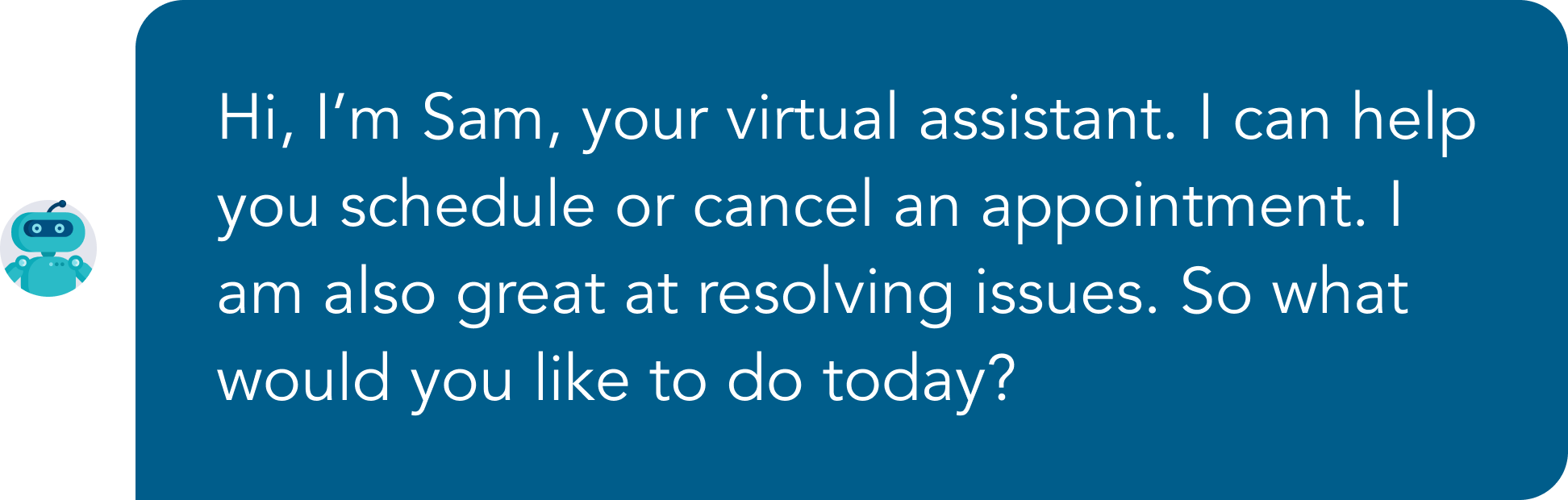
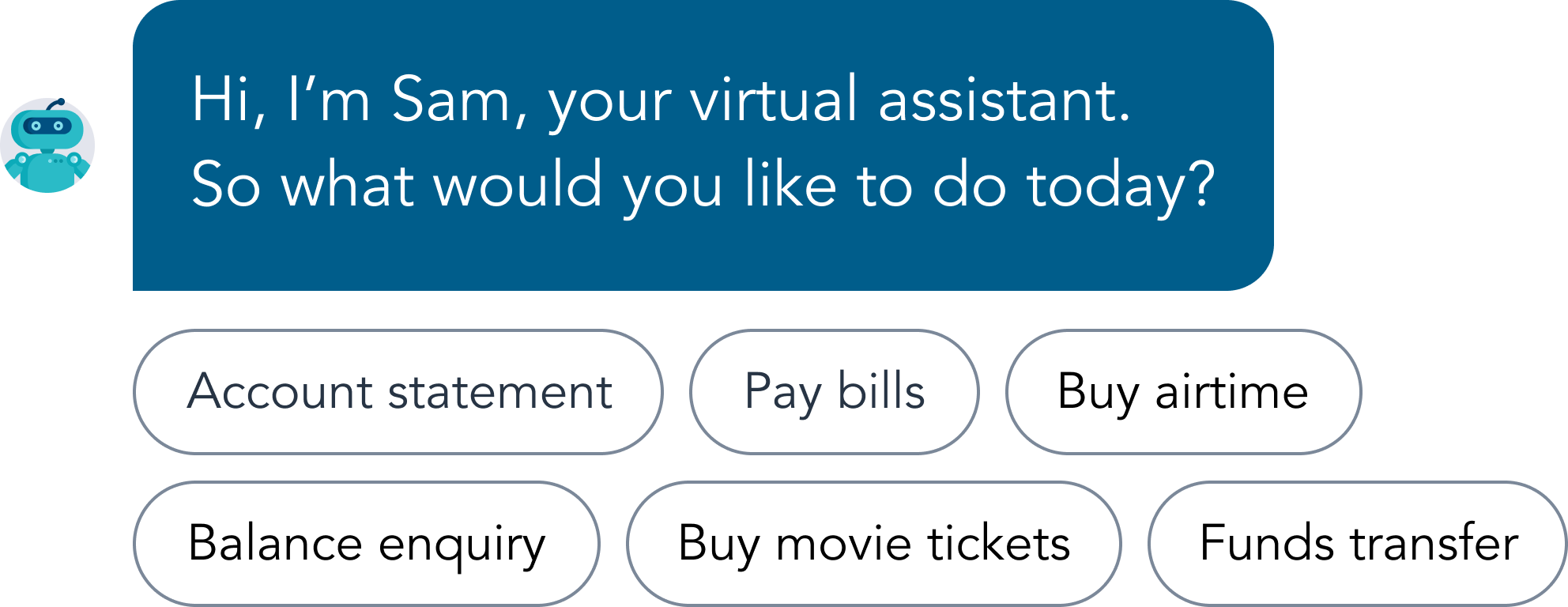
Your opening sets the tone. Introduce your chatbot, explain what it can do, and guide the user.
2. Handle out-of-scope questions
Your chatbot should gracefully handle questions it doesn’t understand and provide alternatives.
3. Closing sentence
End conversations in a way that encourages users to return and engage again.
Key principles in chatbot conversation design
Users expect chatbots to behave like humans. Here are key principles to follow:
- Mirror human conversations: Make interactions natural and intuitive.
- Understand chatbot limitations: Plan for misunderstandings and provide fallback responses.
- Keep responses brief: Avoid unnecessary information.
- Recognize conversation signals: Detect when users are ending conversations.
- Use familiar language: Keep wording simple and clear.
Chatbot conversation design is not just writing responses — it’s about creating meaningful, human-like interactions that guide users to achieve their goals.







No comment yet, add your voice below!