The importance of customer self-service in your support strategy

Customer self-service helps businesses provide fast and convenient support.

What is customer self-service?

It allows customers to solve problems on their own using tools.

Benefits

  • Cost reduction
  • 24/7 support
  • Better experience

How to implement

  • Identify recurring issues
  • Choose the right channels
  • Measure performance

Conclusion

Self-service improves efficiency and customer satisfaction.

The Revenue Lost to customer service delay and Poor Responsiveness

“Please reply to your DMs” – a sign of poor customer service.

Slow responses can lead to revenue loss and poor brand reputation.

Examples of revenue loss

  • Losing potential sales
  • Losing repeat customers
  • Negative word-of-mouth

Solutions

  • Use chatbots
  • Train staff
  • Improve communication channels
  • Offer self-service

Conclusion

Better customer service leads to higher revenue and stronger brand trust.

Re-imagining customer service: 3 ways to customer service excellence

The shift to remote work exposed weaknesses in customer service systems.

1. Set customer service goals

Align support goals with business goals.

2. Review customer touchpoints

Ensure your channels match customer preferences.

3. Hire the best people

Technology helps, but people drive results.

Providing excellent customer service requires planning, tools, and the right team.

How to successfully automate customer service

About 40% of customer service inquiries are repetitive and easy to solve.

What is customer service automation?

It involves using systems to handle repetitive customer tasks automatically.

Types of automation

1. Knowledge base – Articles that help users solve problems

2. Videos – Visual tutorials

3. Chatbots – Real-time conversational support

Advantages

  • Better customer experience
  • More productive agents
  • Reduced costs

Conclusion

Automation improves efficiency but should complement human support.

3 quick tips for managing high support volume during the holiday shopping season

Holiday shopping season is a busy time for support teams. They answer lots of questions about discounts, return policies, and shipping. These large requests coming in at once increases the support volume and agents struggle to attend to every request on time, often unsuccessfully.

This holiday season is unlike anything we’ve seen. A bulk of the shopping is online and depending on your business, this comes with an increased concern for safety precautions.

How to manage high support volume effectively

1. Provide proactive support

A simple and efficient way you can handle high support volume is by planning ahead and preparing answers to common questions.

2. Deliver self-service options

Allow customers to resolve simple issues like delivery tracking or cancellations themselves.

3. Offer callback options

Let customers drop their queries and respond later to reduce queue pressure.

High support volumes don’t have to break your customer service team. Automation helps you stay efficient.


You Too Can Own A Chat AI

AI is transforming businesses, and now even small businesses can adopt it.

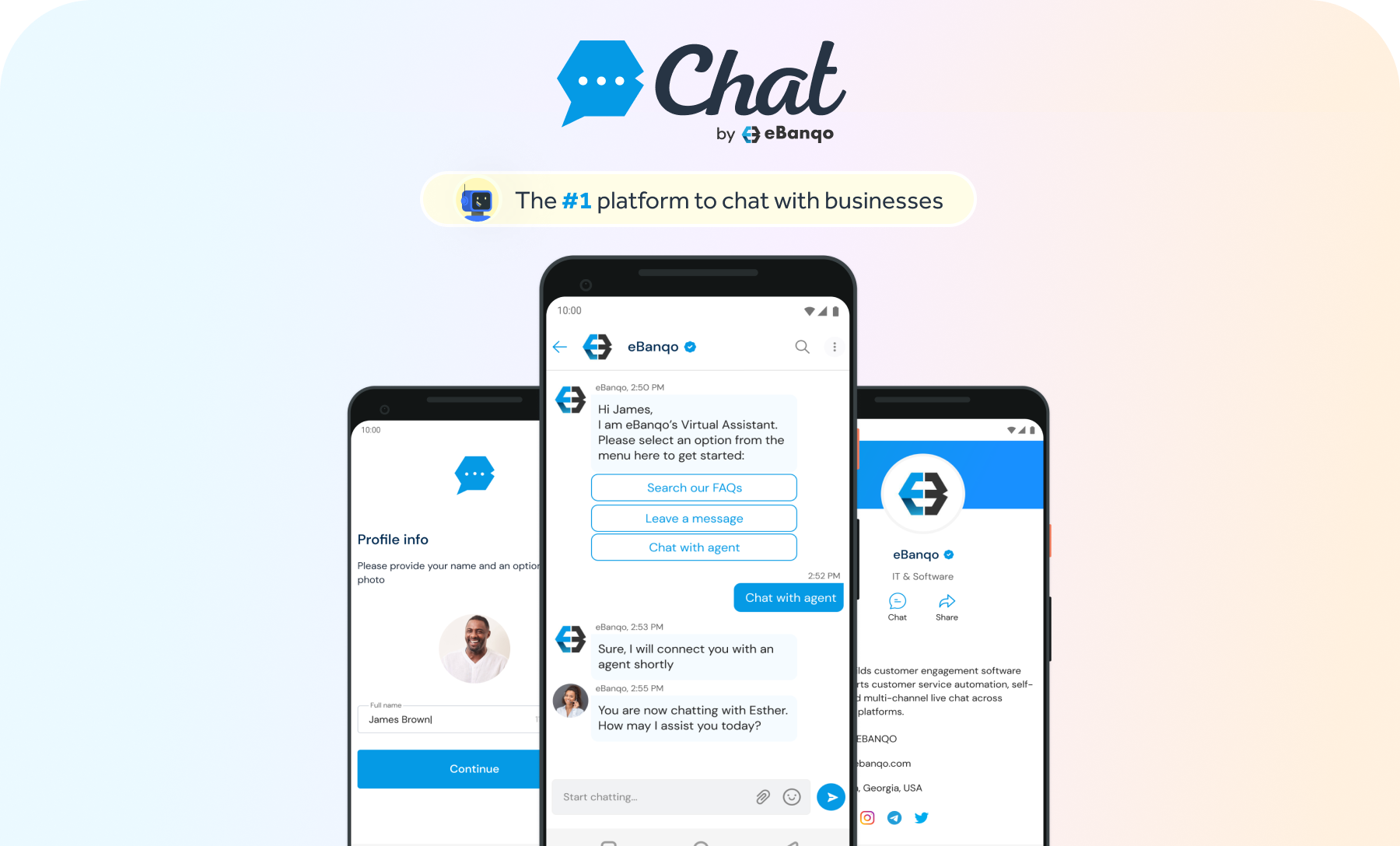
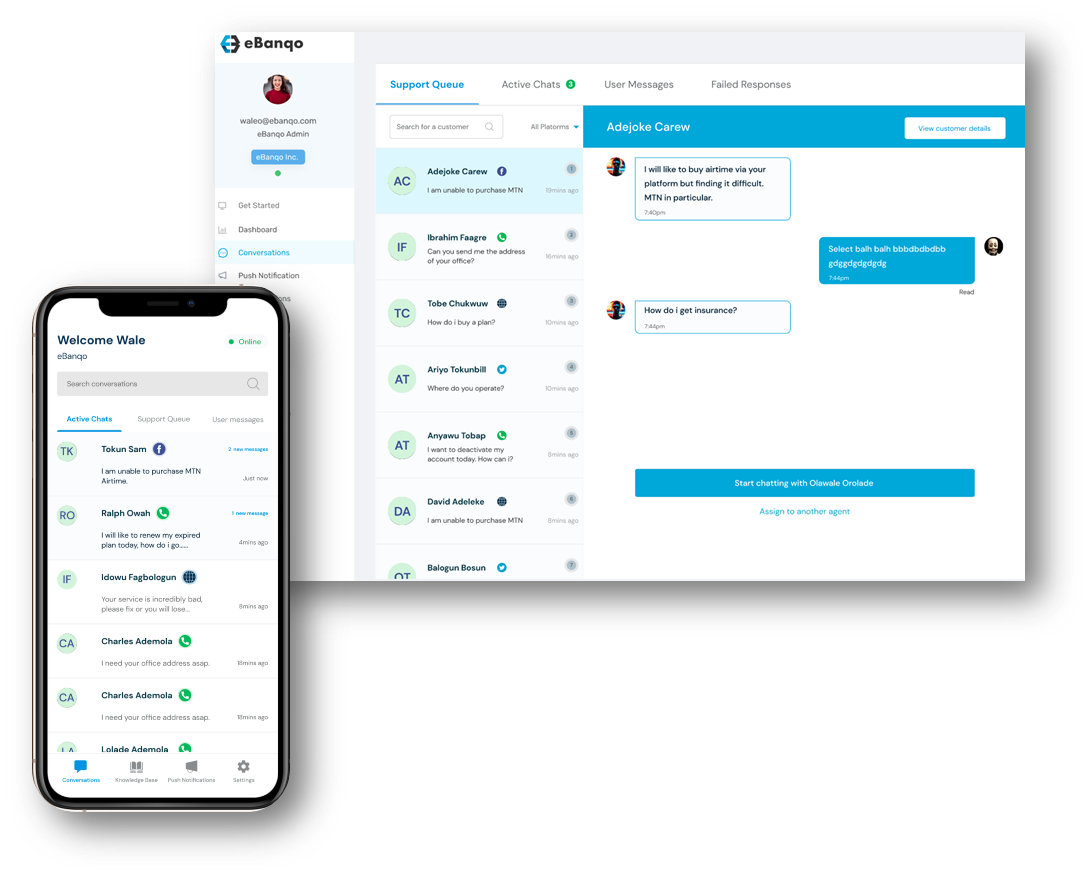
Introducing eBanqo Chat

A platform that enables seamless communication between customers and businesses.

Key Features

  • Dynamic FAQs
  • Instant responses
  • Self-service actions

Benefits

  • Better customer engagement
  • 24/7 availability
  • Improved efficiency

Conclusion

AI chat tools make businesses more accessible and responsive.

The Right AI Chatbot to Deliver Smooth Experiences This Season

The holiday season increases customer inquiries, and AI chatbots help manage them efficiently.

Why Chatbots Help

  • Handle peak traffic
  • Fast responses
  • Multi-channel support
  • Personalization

Benefits

  • Better customer experience
  • Increased sales
  • Reduced stress

Conclusion

AI chatbots help businesses scale during busy periods.

Impact of ChatGPT on Chatbots and Live Chat

ChatGPT is transforming how businesses engage customers through chatbots and live chat.

Role of Chatbots and Live Chat

Both improve communication and customer experience.

How ChatGPT Works

It uses NLP and machine learning to generate human-like responses.

Impact

ChatGPT enables faster, more accurate, and cost-effective responses.

Examples

Companies like KLM and Sephora use AI chatbots for customer engagement.

Conclusion

AI will continue to transform customer communication.

5 tips for choosing a conversational AI platform

Conversational AI continues to grow as businesses adopt automation for customer interactions.

What is a conversational AI platform?

It enables automated conversations between businesses and customers across multiple channels.

3 Key Questions

What experience do you want? How does it fit your goals? How will you measure success?

Important Features

1. NLP

Enables natural conversations.

2. Multi-channel support

Ensures consistent experience across platforms.

3. Analytics

Provides insights into user behavior.

4. Human handover

Allows switching to agents when needed.

5. Integration

Connects with CRM and other systems.

Conclusion

Choose a platform that aligns with your business goals and customer needs.

5 Reasons Your Business Needs an AI Chatbot

AI chatbot applications are increasingly becoming essential for businesses across industries to interact with customers efficiently.

Evolution of Chatbots

From early rule-based systems to AI-powered chatbots using NLP, chatbot technology has evolved significantly.

Why You Need an AI Chatbot

1. 24/7 Availability

Chatbots provide round-the-clock support, ensuring customers always get help.

2. Improve Customer Service

They handle repetitive tasks and respond instantly, improving satisfaction.

3. Cost Savings

Businesses can reduce customer support costs significantly.

4. Enhanced Efficiency

Chatbots process requests faster and allow teams to focus on complex tasks.

5. Personalized Experience

AI chatbots tailor responses based on customer data and behavior.

Conclusion

AI chatbots help businesses improve service, reduce costs, and enhance engagement.